🎉 Up to 70% Off Selected ItemsShop Sale
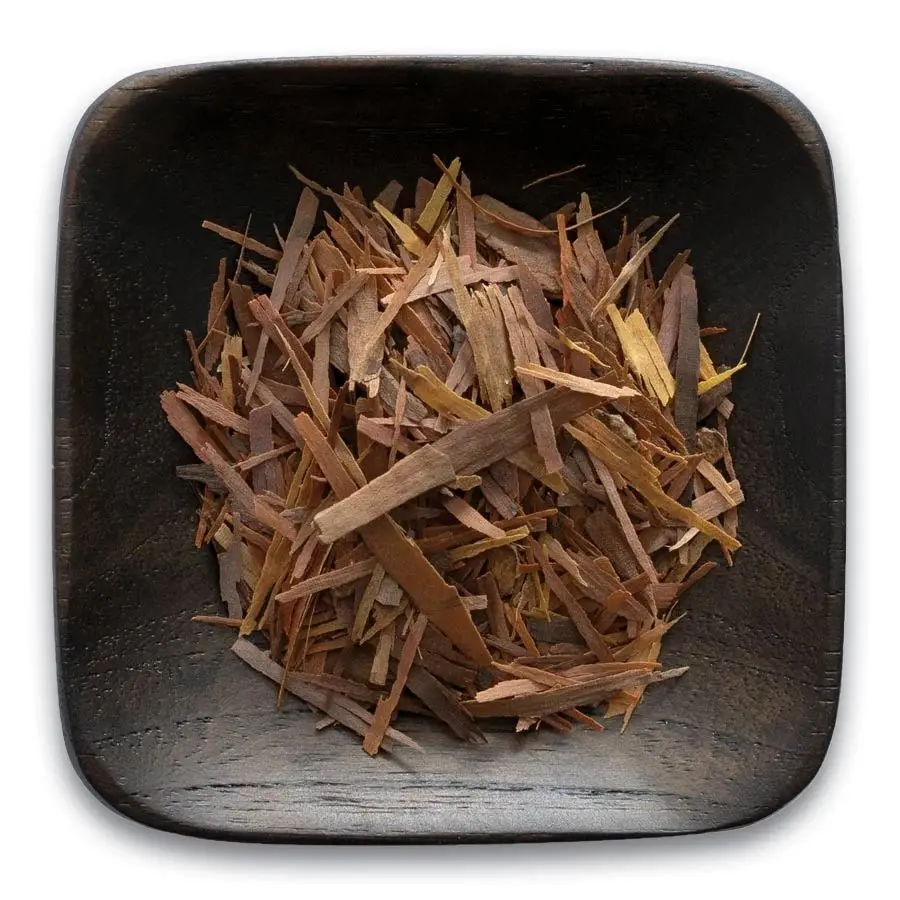
Pau d'Arco Bark Cut & Sifted
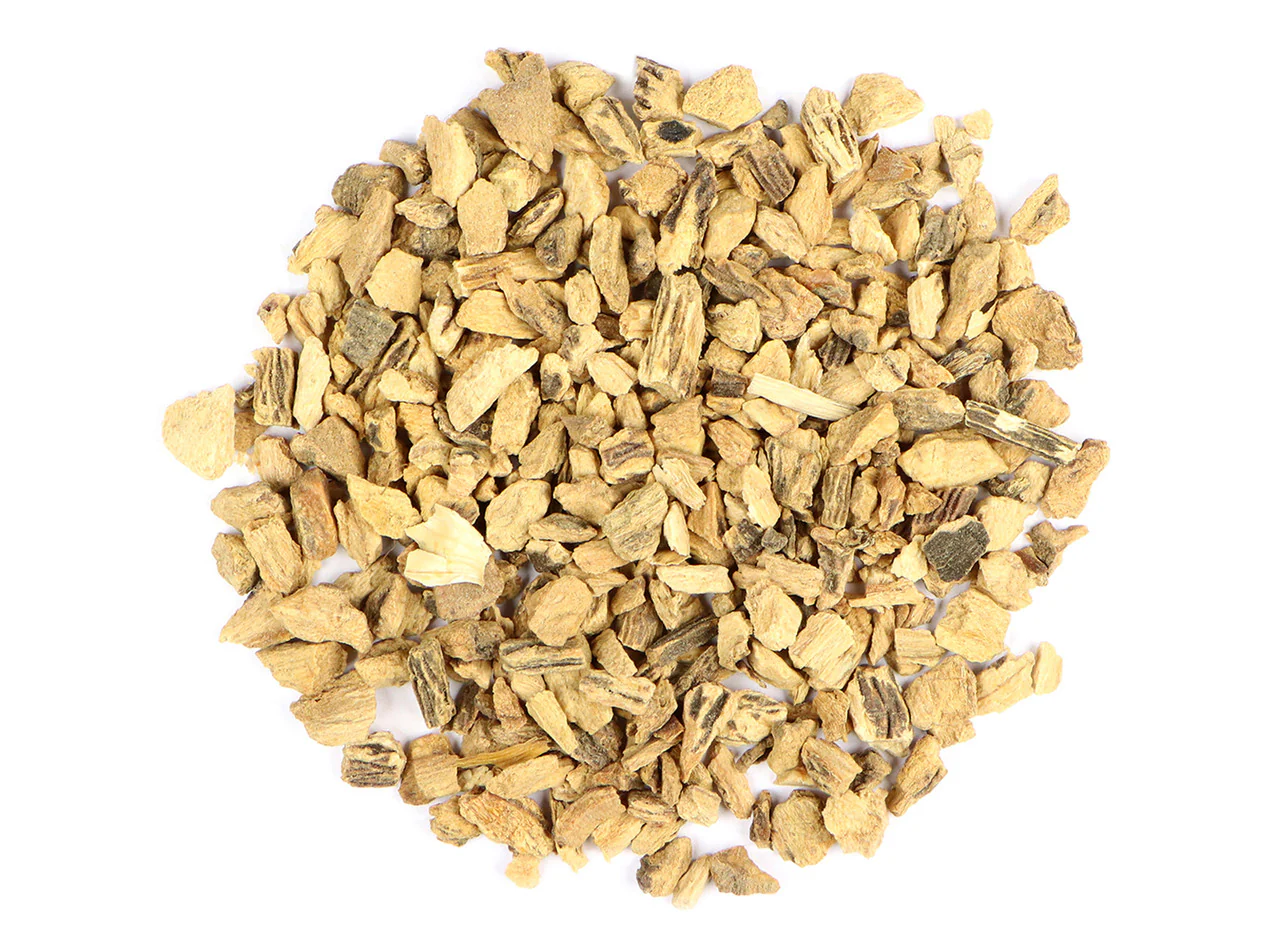
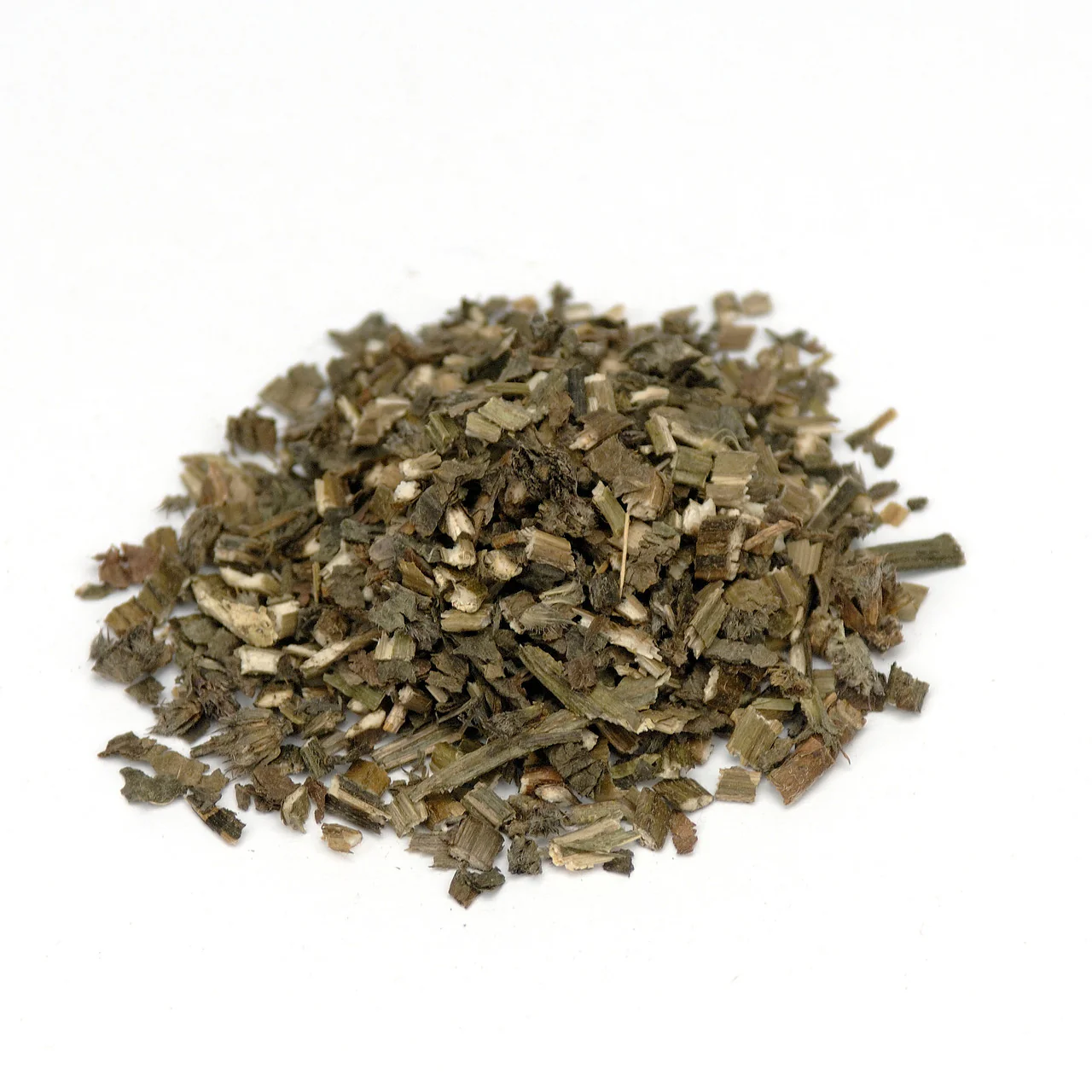
Pau d'Arco (Tabebuia impetiginosa) is the inner bark of a tropical tree native to Central and South America. The tea brewed from this species is commonly referred to as Lapacho or Taheebo and typically contains lapachol, quercetin and flavonoids. Frontier Co-op® bulk pau d'arco is kosher certified and non-irradiated.
Directions
To prepare as a tea, pour 8 oz. boiling water over 2 tsp. of herb. Cover and steep for 5-10 minutes, strain and serve immediately. While decoction is best for most roots, barks, and berries, Pau d'arco is a finely shaved bark and therefore can be prepared as an infusion or added to infusion blends. Longer steeping time is recommended for an infusion, 45-60 minutes.Suggested Uses
Make as a tea or tincture. Pau d'arco tincture should be taken in water with a little lemon juice.Product color and size may vary by lot due to varying growing conditions.
Botanical Name Tabebuia impetiginosa
Origin Brazil
Select Size
From $1.59
Pau d'Arco Bark Cut & Sifted—
$1.59
Product Information
Product Information
Shipping & Returns
Shipping & Returns
Description
Pau d'Arco (Tabebuia impetiginosa) is the inner bark of a tropical tree native to Central and South America. The tea brewed from this species is commonly referred to as Lapacho or Taheebo and typically contains lapachol, quercetin and flavonoids. Frontier Co-op® bulk pau d'arco is kosher certified and non-irradiated.
Directions
To prepare as a tea, pour 8 oz. boiling water over 2 tsp. of herb. Cover and steep for 5-10 minutes, strain and serve immediately. While decoction is best for most roots, barks, and berries, Pau d'arco is a finely shaved bark and therefore can be prepared as an infusion or added to infusion blends. Longer steeping time is recommended for an infusion, 45-60 minutes.Suggested Uses
Make as a tea or tincture. Pau d'arco tincture should be taken in water with a little lemon juice.Product color and size may vary by lot due to varying growing conditions.
Botanical Name Tabebuia impetiginosa
Origin Brazil